
Resources
Dec 9, 2025
Have you ever wondered what happens when cutting-edge technology arrives faster than your team can adapt to it? A mid-sized civil engineering firm in the Midwest huddled around a laptop as an AI platform churned out commercial building layouts in under thirty seconds—adjusting load-bearing walls, flagging code violations, and spitting out cost estimates in real time. The COO saw twenty percent faster project delivery. The HR director saw a crisis: three senior structural engineers retiring within eighteen months, junior staff already overwhelmed, and zero succession plan for who'd actually operate this technology.
That tension now sits at the center of modern AEC workforce planning. AI can speed up design, spot clashes, predict delays, and support Digital Twin programs. Yet many firms still hire only when projects spike and hope existing teams will absorb new technology on top of full workloads. Leaders feel pulled between bold bets on software and a workforce model still built around manual workflows and legacy roles.
We see AI not as a threat, but as a forcing function. Persistent talent shortages, an aging workforce, and rapid technology change are colliding at once. Without a clear workforce strategy, AI adoption can widen skills gaps, strain project teams, and weaken client delivery. With a strong strategy, it can drive better projects and healthier margins.
At AEC Talent, we treat workforce planning as the bridge between where teams are now and an AI‑augmented future. This article explains how AI is reshaping AEC roles, the workforce challenges that follow, and practical ways to recruit, develop, and retain the people who can lead through this shift. The aim is simple: help leaders turn AI disruption into a talent advantage, not a talent risk.
As Peter Drucker liked to say, "The best way to predict the future is to create it."
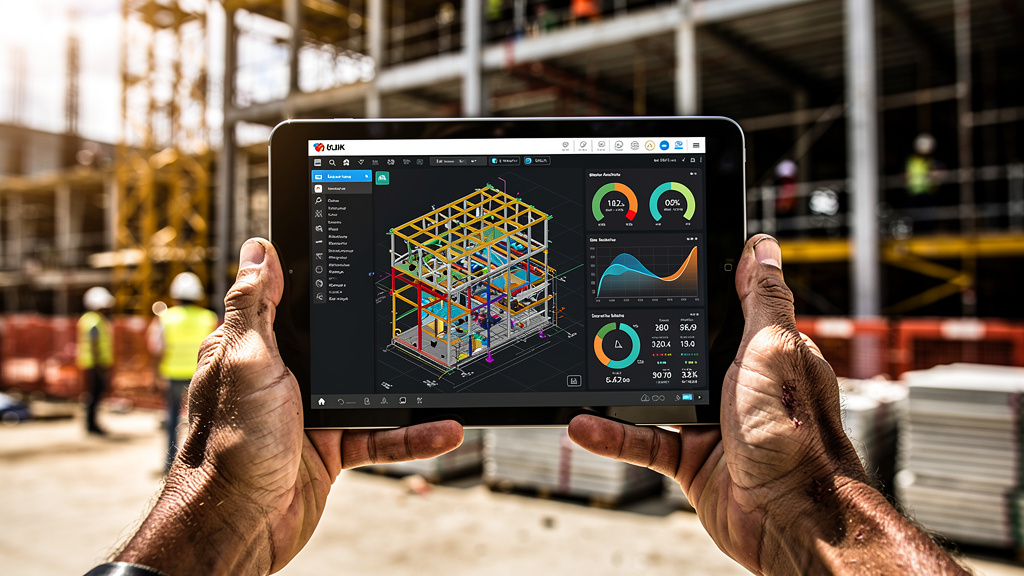
AI is no longer a lab topic for AEC firms. It now sits in design tools, project planning platforms, construction management systems, and Digital Twin programs. As these tools spread, they change what jobs look like and what “qualified” really means.
In architecture and engineering, generative design can produce early options in minutes instead of days. Junior designers spend less time on repetitive drafting and more time judging which options best meet client goals, performance targets, and budgets. BIM platforms with AI‑supported clash detection push BIM specialists away from simple model upkeep toward coordination, rule setting, and troubleshooting of automated checks.
Engineering teams feel similar pressure. Machine learning in structural analysis and building performance does not replace licensed engineers; it changes where their time goes. Engineers must frame problems, set up models, question AI outputs, spot edge cases, and explain results to clients and non‑technical leaders. The new value lies less in clicking “run” and more in knowing when the machine is wrong and how to adjust.
On the construction side, AI supports schedule optimization, predictive delay analysis, and field progress tracking from photos and sensor data, with research showing significant potential for improving construction projects and reducing risk through artificial intelligence. Site leaders who once lived in spreadsheets and phone calls now work with dashboards, alerts, and integrated project platforms. Robotics, automated equipment, and IoT safety systems add data streams that need interpretation by people who understand both field realities and digital tools.
Digital Twin programs tie these threads together. Digital Twin Specialists connect IoT devices, BIM models, and AI analytics so owners can manage assets through the full life cycle. These hybrid roles sit between data, design, and operations. They barely existed a few years ago yet are already central on many major programs.
Across all of this, one truth stands out: AI is not wiping out AEC jobs, but it is rewriting them. Firms now need people who pair deep domain knowledge with technology fluency, and AEC workforce planning has to reflect that shift or risk falling behind.
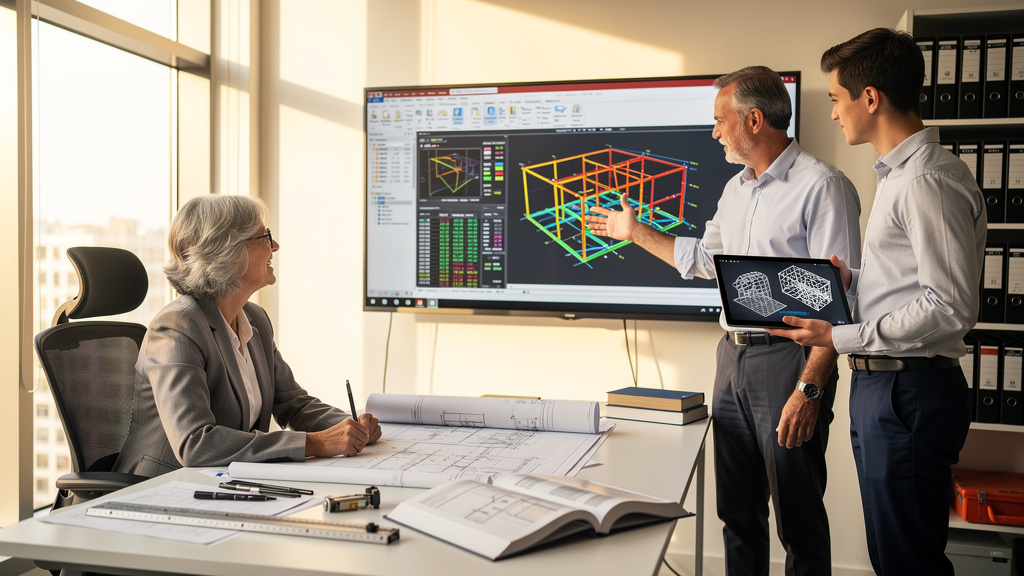
AI magnifies workforce issues AEC leaders already face. Talent shortages, a rising average age, and high burnout are not new. What is new is how fast role expectations change while those pressures grow.
The first challenge is a widening skills gap. Many firms already struggle to hire people who can run advanced BIM, coordinate complex projects, or manage sophisticated building systems. Now the market wants engineers with data literacy, project managers who can work with predictive tools, and Digital Twin Specialists who sit between design, construction, and operations. Technology companies chase the same hybrid talent, often with higher pay and flexible work norms, which makes AEC recruiting even harder.
Specific capability gaps show up again and again: data literacy, comfort with scripting or computational design, and a basic grasp of how AI systems learn and fail. Many strong architects, engineers, and construction managers finished school before these topics entered standard programs, and traditional training paths have not kept pace with what the field now expects.
At the same time, the industry faces a steep retirement curve. Senior professionals hold deep knowledge about local codes, client expectations, constructability tricks, and risk decisions. AI adoption speeds up tool and workflow change just as these people consider stepping away, and without a plan that knowledge can walk out the door.
This mix creates tension inside teams. Some experienced staff feel wary of new tools and fear being pushed aside. Tech‑native juniors see faster ways to work but struggle to change old processes. Without clear programs for knowledge transfer and shared learning, that tension can damage morale and slow AI projects.
These pressures make specialized recruiting and planned knowledge transfer central to AEC workforce planning. Firms cannot fill every gap with a single class or a generic job ad. They need targeted hiring for hybrid roles, structured mentoring across generations, and a clear view of where risks are rising fastest.
One senior engineering leader put it bluntly: "Our risk isn't that AI will do our jobs; it's that we won't have the people who know how to use it well."

Recruiting now has to do more than fill open seats. It must build a bench of people who can guide AI adoption, calm fears, and keep project delivery strong. That starts with a sharper picture of what future‑ready looks like in AEC.
Future‑ready leaders tend to:
When we assess these leaders, we look well beyond a résumé. We listen for examples where they learned a new platform and then helped others adopt it. We ask how they break down a complex problem and how they made a case for a new method to a skeptical client or field team. Learning agility, comfort with uncertainty, and clear communication matter as much as technical skills.
This is especially clear when recruiting for Digital Twin Specialists. These professionals tie together BIM, IoT devices, AI analytics, and asset management. Traditional recruiting paths often miss them because many sit in software firms, smart‑building startups, or owner organizations rather than design studios or contractors. Firms that rely on generic job boards for this role often see long vacancy times and weak fit.
Specialized recruiting for these roles calls for different tactics:
Compensation is another sticking point. Market data for emerging roles seldom appears in standard salary surveys. Through our Strategic Workforce Intelligence work at AEC Talent, we track what similar roles command across regions and company types, then help clients set ranges that attract talent without disrupting internal equity. Guessing on pay for scarce roles can stall hiring for months.
Because these candidates are rare, many are not actively searching. They respond only to outreach from partners who understand their world. As a firm focused on the built environment for more than eight years, AEC Talent uses confidential outreach, market mapping, and a managed network of over 15,000 AEC professionals to reach them. That mix of vertical focus and real relationships turns recruiting from a long shot into a planned part of AEC workforce planning.
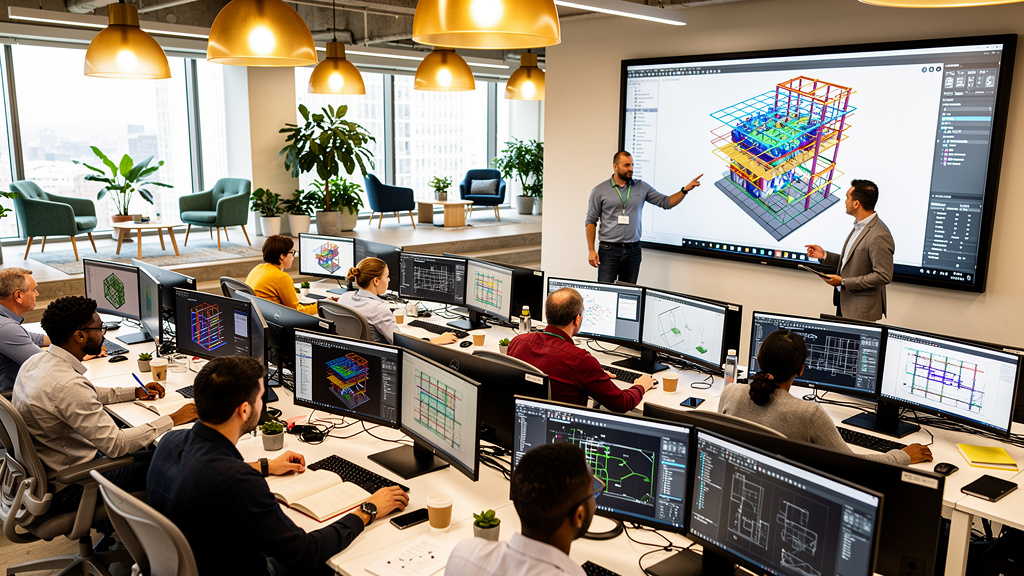
Recruiting hybrid talent is only half the work. If firms do not develop and retain the people they already have, they end up in a constant replacement cycle that drains time and money. AI raises the bar here as well, because skill needs change faster than before.
Strong AEC workforce planning now includes a clear learning plan. Firms that do well create steady habits rather than one‑off events by:
Career structure matters as much as classes. When job descriptions, titles, and pay bands assume only traditional roles, people who drive AI adoption can feel invisible. Updating job architecture to include technology‑heavy paths, and offering both technical and leadership tracks, gives staff clearer choices. A BIM automation expert or Digital Twin lead should see a future that does not require becoming a project executive if that is not their strength.
Mentorship also needs a new frame. Instead of only senior‑to‑junior teaching, firms can create paired roles where younger staff help with new tools while senior staff teach client strategy, risk calls, and design judgment. This makes AI less threatening for seasoned professionals and faster to absorb for newer hires. Clear succession plans that name both traditional and AI‑augmented roles give everyone a sense of direction, which supports retention.
Pay must keep up with new responsibilities. Compensation benchmarking for hybrid roles helps avoid quiet frustration when someone carries major technology duties under an old title and grade. When firms connect learning opportunities, visible career steps, and fair reward, they keep their best people while attracting ambitious mid‑career hires.
As Peter Drucker famously remarked, "Culture eats strategy for breakfast." For AEC leaders, culture shows up in how seriously the firm treats learning, mentoring, and career growth.
Most AEC firms know they need better data on projects and finance. Fewer apply the same thinking to people. Strategic Workforce Intelligence brings that missing layer into AEC workforce planning and ties it directly to AI adoption.
This kind of intelligence goes beyond simple headcount and turnover. It looks at which roles will be most exposed to AI‑supported tools, which skills are rising in value, and where the market for those skills is tightest. It connects internal data such as utilization, project mix, and retirement risk with outside data on salary trends, hiring activity, and emerging job titles. That view helps leaders decide where to invest in training, where to recruit, and where to adjust role design.
Scenario modeling is especially useful. For example, we might map three paths for AI adoption in project delivery, from cautious to aggressive. For each path, we estimate how productivity could change, how many Digital Twin specialists, BIM automation experts, or construction technologists will be needed, and what that means for hiring and development budgets. Executives can then weigh options with clear talent and cost implications instead of guessing.
Specialized partners help turn this insight into action. Because AEC Talent works only in the built environment, we see hiring patterns across architecture, engineering, and construction firms of many sizes. We know which roles peers are adding, what they are paying, and which candidate profiles tend to succeed. We package that into Strategic Workforce Intelligence for clients and combine it with structured technical screening and 12‑month replacement guarantees. In short, better data plus the right partner turns workforce planning from guesswork into a deliberate part of AI strategy.
As the saying goes, "What gets measured gets managed." The same applies to skills, roles, and hiring risk.
AI is now part of every serious conversation about AEC growth, risk, and client expectations. For some firms, it will widen skills gaps, stress teams, and slow delivery. For others, it will support faster design cycles, smarter construction, and stronger long‑term client ties. The difference rests on workforce readiness, not software alone.
Firms that treat AEC workforce planning as a core discipline will move ahead. They will know which roles to build, which to buy, and which to redesign. They will move early on rare talent, from Digital Twin specialists to future‑focused project executives, and they will grow their own AEC leaders instead of waiting for the market to supply them. In a tight talent market, that planning edge becomes a business edge.
This is not only an HR topic. It sits squarely in the C‑suite, tied to profit, project delivery, and firm valuation. The next two or three years are a decisive window to line up people and technology before gaps harden into long‑term disadvantages.
Our invitation is simple: take a clear look at current capabilities, map them against where AI is pushing the industry, and identify the gaps that matter most. Then work with partners who know this market deeply. At AEC Talent, we combine executive search, specialized recruiting, and Strategic Workforce Intelligence to help firms bridge the skills gap, recruit AI‑ready talent, and build teams that can thrive in the next era of the built environment. Firms that master the human side of this technology shift will be the ones shaping what gets built next.
When recruiting for AI‑era roles in AEC, start with a strong domain base in architecture, engineering, or construction management. On top of that, prioritize comfort with data, scripting or computational thinking, and the ability to learn new software quickly. Skills in BIM automation, generative design, and Digital Twin management are rising fast in value. Communication and teamwork are just as important because these people often sit between project teams, IT, and clients. We also look hard at mindset, favoring candidates who show curiosity and steady growth over a long list of narrow certifications.
Retention begins with respect. Frame AI as support for their hard‑won expertise, not a way to remove it, and involve experienced staff in tool selection and implementation. Invest in patient, hands‑on training with time carved out from billable work so learning does not feel like a penalty. Pair seasoned professionals with tech‑strong juniors in mutual mentorship, and create roles where senior staff guide quality checks on AI outputs and train teams. That gives them a central place in the future model instead of a fading one.
Most AEC firms do best with a mixed approach. External experts bring speed, fresh ideas, and lessons from other markets, which helps launch AI initiatives and roles such as Digital Twin leadership. Internal staff add firm history, client context, and an understanding of how projects really run. We often advise clients to hire a few targeted external leaders and specialists, then invest in upskilling existing teams around them. Short‑term consultants or contract staff can support pilots, while permanent hires and training programs build long‑term strength. Through project‑based staffing and direct placements, AEC Talent helps design and fill both sides of that mix.
One common mistake is treating AI as only a technology or IT project and leaving workforce planning for later. Another is underestimating how much culture and change management matter, which leads to tool rollouts that look good on paper but fail in practice. Some firms hire for narrow technical skills while ignoring AEC depth, then struggle when those hires cannot navigate client or field realities. Others skip serious training and expect instant productivity gains, which creates frustration on both sides. Many also forget to update titles, pay, and career paths for new hybrid roles, sending mixed signals about how much the work really matters.
Specialized recruitment partners focused on AEC bring three advantages that generalist firms rarely match. First, they maintain deep talent pools of architects, engineers, construction leaders, and technologists, including passive candidates who will only move for the right opportunity. Second, they understand both technical demands and project realities, so they can screen for people who fit AI‑augmented roles in real firms rather than just on paper. Third, they provide market insight on pay, hiring trends, and competitor activity that informs broader AEC workforce planning. At AEC Talent, we add structured technical assessments, confidential market mapping, and replacement guarantees, which together reduce risk on the hires that matter most.